Ceramic Coating vs Paint Protection Film
Vehicle owners seeking long-term paint protection often encounter the debate of ceramic coating vs paint protection film (PPF). Both solutions are designed to preserve exterior finishes, enhance appearance, and reduce long-term deterioration. However, while they share similar goals, their composition, performance capabilities, and cost structures differ significantly. Understanding PPF vs ceramic coating, and the differences between the two, is essential when determining which option best aligns with your vehicle, driving habits, and protection expectations.
What Is Ceramic Coating?
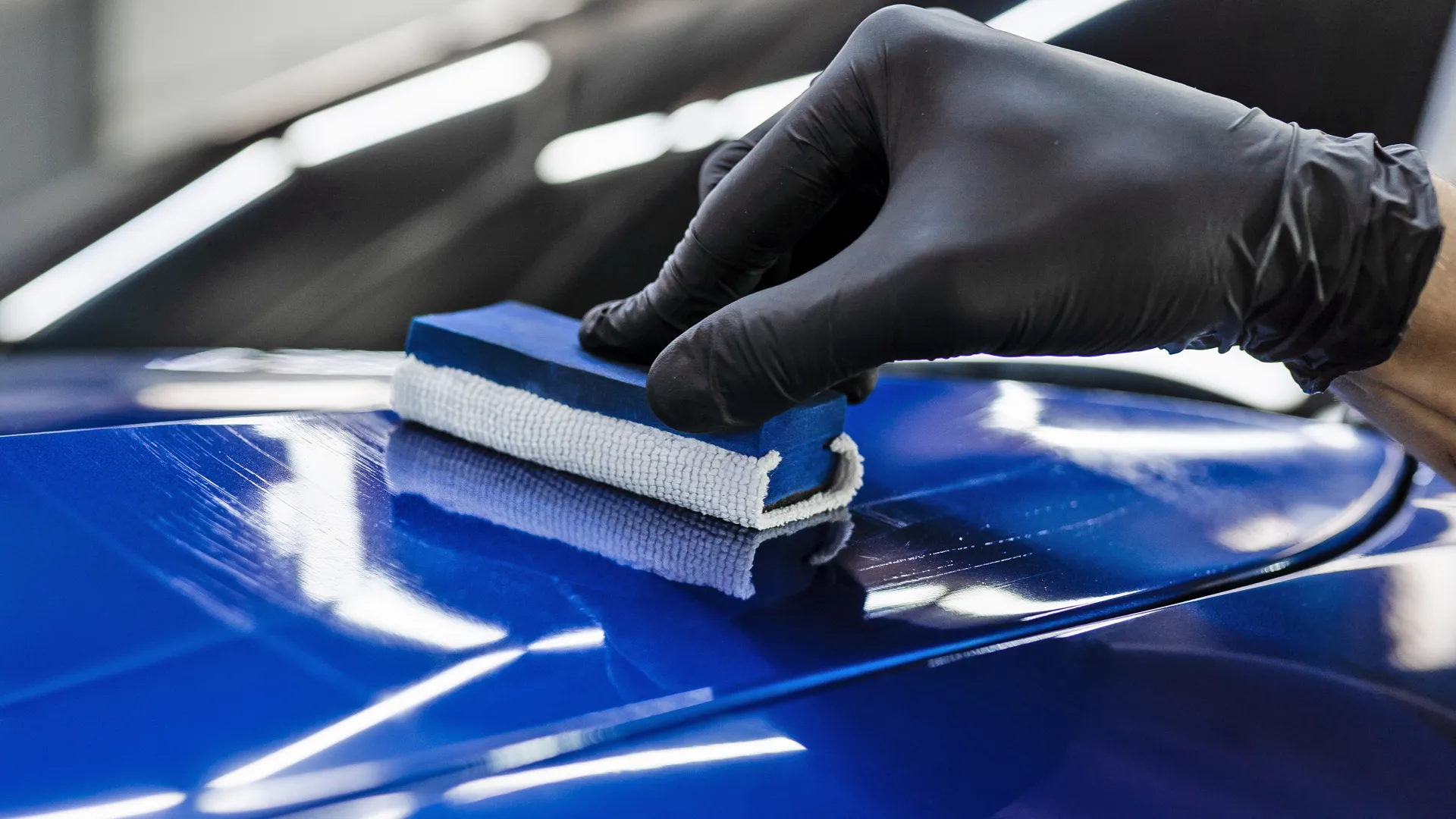
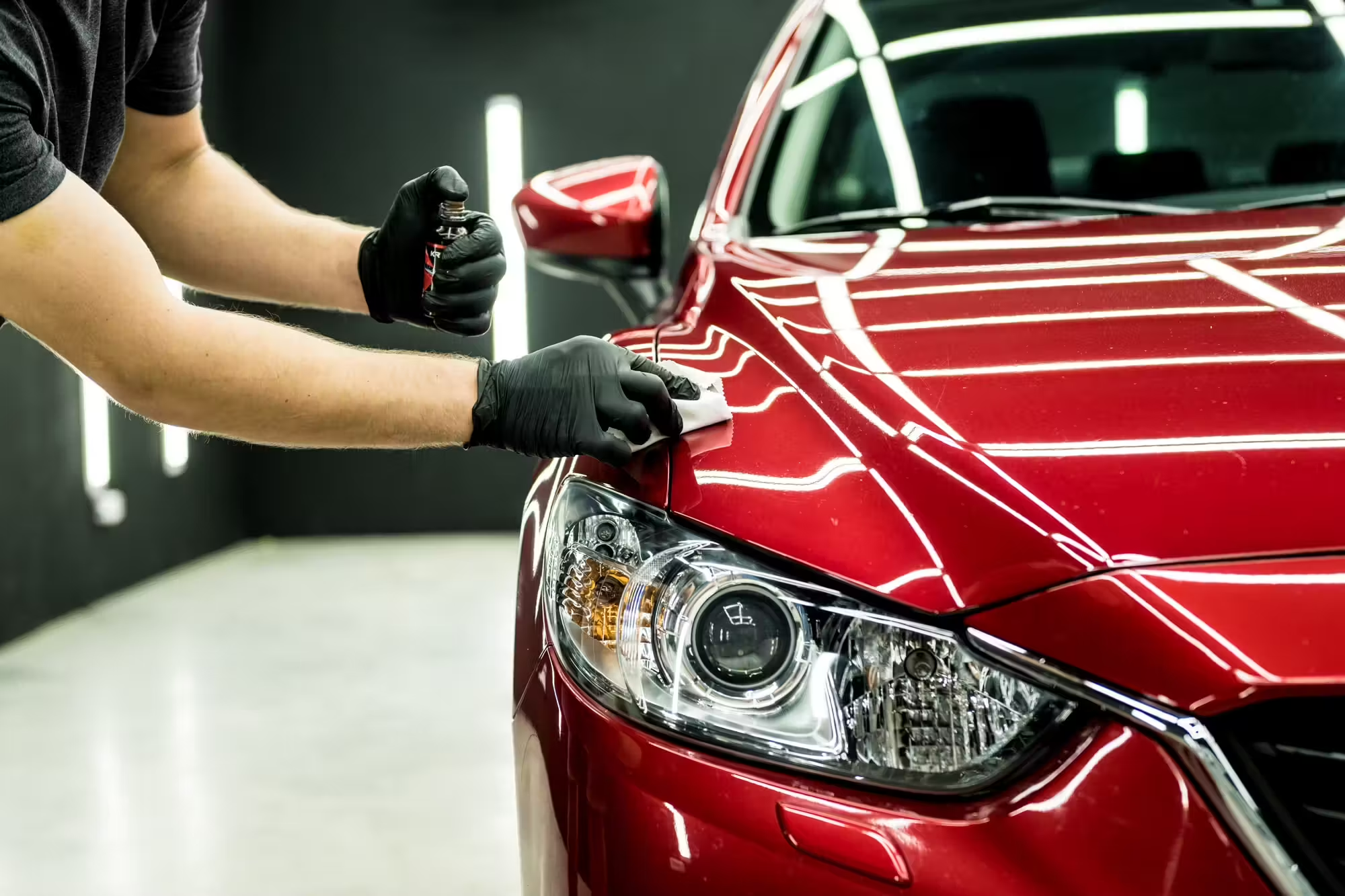
Ceramic coating is a liquid polymer applied to a vehicle’s exterior surfaces. Once cured, it chemically bonds with the paint, forming a semi-permanent protective layer. This coating enhances gloss, improves hydrophobic properties, and provides resistance against UV exposure, oxidation, and chemical contaminants.
Ceramic coatings are not physical barriers. Instead, they create a hardened surface layer that repels water, dirt, and environmental fallout. They are easier to maintain while preserving a high-gloss finish, especially when paired with routine mobile detailing services that help keep coated vehicles properly maintained.
What Is Paint Protection Film (PPF)?
Paint protection film, commonly referred to as PPF, is a thermoplastic urethane film applied directly to painted surfaces. Unlike ceramic coatings, PPF is a physical layer that absorbs impact and shields against rock chips, road debris, and minor abrasions.
A PPF wrap may be installed on high-impact areas—such as the front bumper, hood, mirrors, and rocker panels—or applied to the entire vehicle for comprehensive protection. Modern PPF products often include self-healing properties, allowing minor chips and scratches to disappear with heat exposure.
Similarities Between Ceramic Coating and PPF
Despite their structural differences, both options share several benefits:
- Protection against UV rays and oxidation
- Resistance to environmental contaminants
- Enhancement of paint clarity and gloss
- Long-term preservation of resale value
- Reduced maintenance requirements compared to untreated paint
In the discussion of ceramic coating vs PPF, it is important to recognize that both solutions are premium paint protection systems intended to extend the life and appearance of automotive finishes.
Key Differences: Ceramic Coating vs PPF
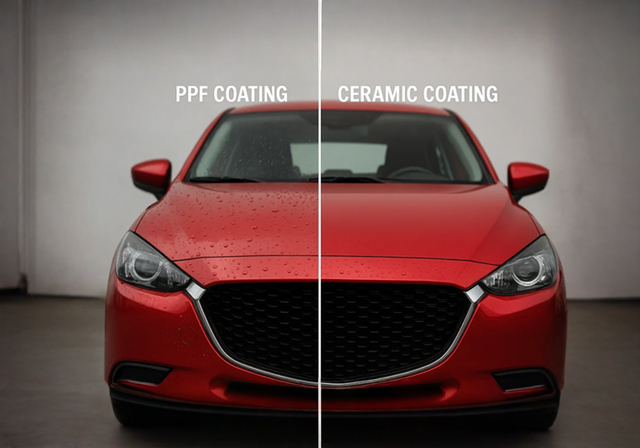
The most significant PPF vs ceramic coating differences lie in protection type, durability, appearance, and cost.
1. Type of Protection
- PPF provides physical impact resistance. It is designed to absorb rock chips, road debris, and minor abrasions.
- Ceramic coating offers chemical resistance and surface hardness but does not prevent rock chips or heavy impact damage.
For drivers concerned primarily with highway debris or performance driving conditions, a PPF wrap offers superior impact protection.
2. Appearance and Finish
Ceramic coatings amplify gloss and create a deep, reflective finish. PPF, while clear and visually subtle, does not enhance gloss to the same degree unless combined with a coating. However, many modern films offer high optical clarity and even matte finish options.
3. Self-Healing Capability
One of the most notable ceramic coating vs paint protection film distinctions is self-healing technology. PPF can repair minor swirl marks and light scratches when exposed to heat. Ceramic coatings do not possess this feature.
4. Longevity
High-quality PPF installations often last 7–10 years, depending on conditions. Professional ceramic coatings typically last between 2–7 years, depending on the product and maintenance routine.
Cost Considerations: PPF Cost vs Ceramic Coating
Cost is frequently a deciding factor when evaluating ceramic coating vs PPF.
- The average PPF cost for partial front coverage typically ranges from $1,200 to $2,500.
- A full PPF wrap may range from $5,000 to $8,000 or more, depending on vehicle size and film type.
- Professional ceramic coating services generally range from $800 to $2,500, depending on paint condition and coating tier.
PPF requires significantly more material and labor-intensive installation, which explains the higher price point. Ceramic coating is more affordable but offers a different category of protection.
Optimal Use Cases for Each
When PPF Is Ideal
- High-performance or luxury vehicles
- Frequent highway driving
- Protection against rock chips and road debris
- Owners seeking maximum impact resistance
When Ceramic Coating Is Ideal
- Daily drivers exposed to environmental contaminants
- Owners prioritizing gloss enhancement
- Those seeking easier maintenance and water repellency
- Vehicles where rock chip risk is minimal
In many cases, the most comprehensive solution is a combined approach: PPF on high-impact areas and ceramic coating applied over the entire vehicle, including the film. This pairing delivers impact resistance alongside hydrophobic and gloss-enhancing benefits.
Making the Right Decision
The decision between ceramic coating vs paint protection film ultimately depends on driving conditions, budget, and protection priorities. If physical impact protection is paramount, a PPF wrap offers unmatched defense. If ease of maintenance, chemical resistance, and aesthetic enhancement are primary goals, ceramic coating provides substantial value at a lower cost.
Understanding the PPF vs ceramic coating differences allows vehicle owners to make informed, strategic investments in paint protection.
If you’re still deciding between paint protection options, our team here at Hawks Auto Detail can help you determine the right solution for your vehicle. Our experienced technicians are happy to answer questions, explain protection options, and recommend the best approach based on your driving habits and goals. Contact Hawks Auto Detail today to schedule a consultation and learn more about protecting your vehicle’s finish for the long term.